Pediatric autoimmune encephalitis was always interesting to me from the day I heard about it. When I read about it in the acclaimed Sunflower pediatrics book, I was confused. Adding to the fact that it was quite a rare disorder, I was bedazzled how the brain can be suddenly attacked by the immune system, leading to a whole load of neurological symptoms (such as memory loss, repeated seizures and not to mention inflammation!). When I learned there was a Google Meet organized discussing this topic and it’s causes, I evidently signed up.
Unlike the previous time, I was aware of this event quite a bit in advance, so I joined right in the nick of time, and saw several famous doctors that I have examined before in numerous pamphlets and medical papers. After some brief introductions, the board announced that over 300 people all over the world were attending this meeting, and I was absolutely flabbergasted by the amount of people, likely very similar to me. After recovering from that fact, the meeting went on.
Several doctors presented their case studies before we delved into the sub topics, but one case study really stood out to me over anything else. Before I present it, I have to state that pediatric autoimmune encephalitis is not a direct genetic disorder, meaning that a child can contract the disorder out of nowhere. While a family history of other autoimmune diseases can increase the likelihood, most patients have near no genetic history of these kind of diseases. As I was stating, the case study was of a young girl, aged around 9 years old, who suddenly contracted the disease, and with no family history surrounding her, the doctors weren’t able to diagnose where the disorder originated from. Luckily, a few days after she was in the hospital, they found out it was due to an exposure of the bacteria streptococcus, which can be found on skin and on animals.
The part that really interested me in this case was it showed how deadly the disease actually is, as it starts of with brain inflammation symptoms, which can by itself kill you, but with so much more symptoms it is quite terrifying, predominantly such as impaired thinking, numbness, seizures and loss of consciousness (even leading to prolonged comas).
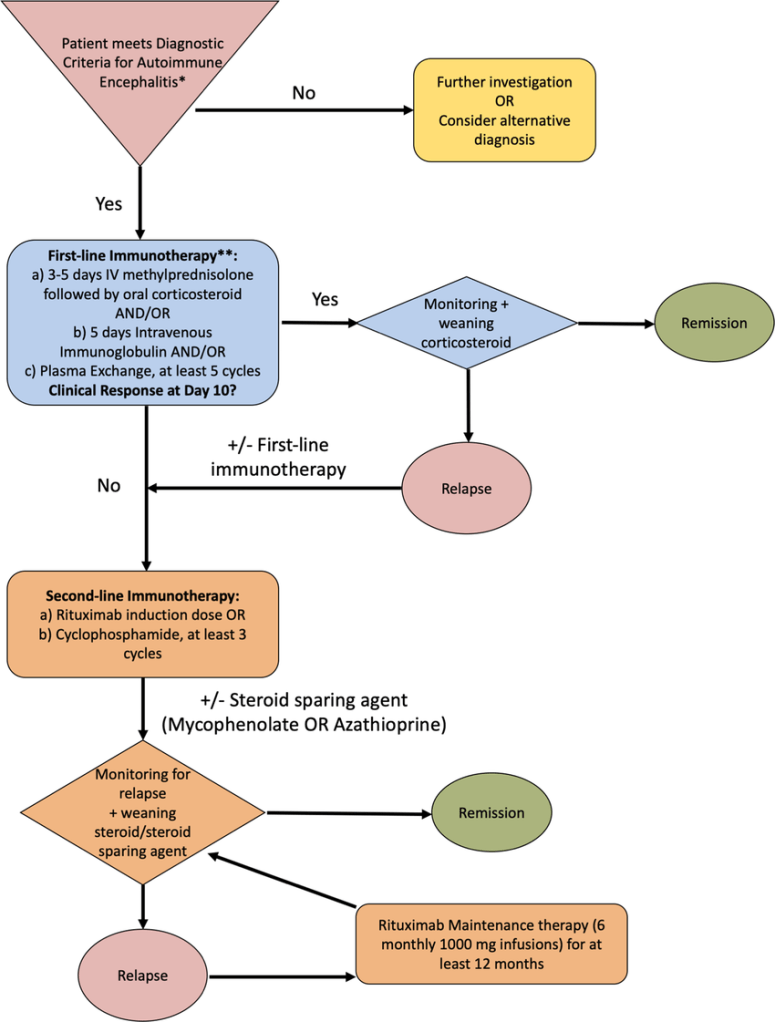
Once we later moved on from the case studies, we delved right into treatment, ranging from antibody testing to therapeutic treatment, which really intrigued me due to the fact that it has proven to be very effective in these sort of cases, which is really heartwarming to me. Overall, it was just as fun as the previous meeting, and I’d love to delve in more.
During the summer, I got much more into medicine. I completed numerous courses on various academy websites, and constantly emailed many doctors about all the questions I had. Eventually, around a term break after school had started, I had got invited to attend a conference at a hospital with Dr. Hadi and Dr. Pawan as panelists and speakers. I was so nervous and worried, and revised multiple notes and blog posts and literally everything that had to do with neurology. I constantly emailed Dr. Hadi, asking a lot about the conference, and about nearly every single question about medicine that popped up in my head. Unfortunately, I never attended the conference, as I wasn’t able to obtain passes. As sad as I was, I got a phenomenal opportunity the next day, at around 5:30 p.m! Apparently, Dr. Hadi was hosting an online meeting, with around 2 other speakers and 2 panelists, each legends in the field of neuroscience!
At around 5:55, I was hurrying around my living room, scouring inch and inch for my notebooks, pens, headphones and electronics, and screaming the whole house down finding them, and finally, at around 5:58, I managed to join the call, out of breath, thankful for the fact that audio and video were disabled, but that didn’t hinder my enjoyment from the meeting. When it finally started at precisely 6, the chat comments were flooded with doctors and people like me (but older) registering and giving their details, and it honestly astonished me around how many people have the same interests and curiosity as me, and it just showed me as how minimal knowledge I have compared to people around the world, from the United Kingdom to Mexico!
The call started with a brief introduction to a lot of the doctors and panelists, and it really showed me just the amount of work and dedication these people put into their craft and work, and just how much of a passion they have for this, and it’s such an inspiration.
What really pleased me about this conference was that it wasn’t a robotic lecture about certain parts of neuroscience, but an interesting, pull-you-in conference, where the doctors displayed numerous case studies and examples, showcasing their own work and what they have done, and the diagnoses they have given based on the patient. It ranged from conditions of children who had infantile, epileptic spasms, (which consists of jerky movements and usual development regression, where the child is very behind his developmental milestones), and how they were able to diagnose his condition based on his numerous symptoms, to conditions where the child was a teenager and tragically died due to an unhealthy amount of ingested alcohol (at the age of 14).
It started off with the case study of a child with mild weakness in his body, where he could walk but was unable to balance, with a decline in his movement skills. He was overall behind in his physical and mental skills, with inability to perform his daily tasks without getting slurred and tired. After numerous gait tests and neurological examinations, they diagnosed the child with MLD, and the child moved abroad for further examination. MLD is the condition which affects a bodies white matter, and is actually relatively uncommon, found in ~ 1 in 40,000 people. The treatment method they used to treat him for the time they had (and the treatment evidently used in the country the child had travelled to) was Gene Therapy with Atidarsagene Automecel, which uses other functional genes to create genetically modified cells, to summarize it.
They showed other case studies and their treatment, and also accompanied with tips. The most important tip I personally took from the meeting was related to forgetfulness. Many doctors and neurologists tend to focus on what’s currently going on, and not other possibilities, no matter how unlikely. This can lead to other treatments not being used, which in the long term can be deadly to the patient. A core example is the one I mentioned previously, the teenager drinking and dying. This could’ve been prevented by checking ammonia levels, but nobody had thought to check that, leading to the sad death.
Overall, the meeting introduced me to numerous more topics and showed me so much more examples of conditions and symptoms than I thought possible before, and the significant amount of treatment plans that exists. It was so fun, listening to so much doctors give their own opinions and critical overviews on all the topics, and the sheer amount of questions I (and numerous [I mean numerous!] amount of people) asked. It was such a fun meeting, and I would love to attend another one soon!
Before I went to the Epilepsy Awareness event, I had a minimal knowledge of it. All I know was that when children diagnosed with this were prone to seizures and sensitive to certain events such as loud noises or intense physical pain. After this event though, I have gained such a more understanding of this topic, reading neurosurgery research and brain books, gaining a much greater insight into epilepsy and neuroscience as a whole. What I am here to discuss is my research that covers Epilepsy treatments and how Neurosurgery can help with these treatments and epilepsy as a whole.
Causes of Epilepsy should, foremost, be discussed first. In general, epilepsy, or seizures, are classified as sudden electric shock-bursts in the brain, leading to these patients having seizures or fits, where patients can suddenly not respond to anything, and certain physical traits are noticeable, such as eyes convulsing or arms and legs shaking vigorously. Though not all seizures are quite dramatic, as some patients can just stare blankly or slightly twitch. Many people can see these as just normal behaviors, so when these patients inform others, people do not usually believe them, which reminds me of how genuinely misunderstood and isolating this condition is. Epilepsy can also be caused due to other factors, like genetic disorders, infections like meningitis and brain malformations. Seizures can either be on one part of the brain, focal, or on both sides, generalized. Medication can help reduce seizures as a whole, though people who take medication can have balance/speech issues, evident that epilepsy can affect long-term development.
The second topic of this paper is treatments to epilepsy.
Medication; Usually anti-epileptic drugs (AEDs) such as Sodium valproate, carbamazepine, levetiracetam. They usually help reduce seizures but can cause side effects such as noticeable tiredness or unusual mood changes.
Surgery; this is for children whose seizures don’t respond to medicine, surgery is usually the second option. The most common form of neurosurgery for this is a “hemispherectomy”, where they disconnect and remove one brain hemisphere. This sounds quite extreme and fatal, but this neuroplasticity allows the brain to adapt, especially with early rehab.
Therapy; while this isn’t essentially a ‘treatment method’, this evidently helps the patients mentally and physically. The three most prominent forms of physiotherapy used to heal an epileptic patient are “Physiotherapy; helps with movement and muscle strength”, “diet therapists, people who help with diets, such as keto (this diet with high fat is shown to reduce seizures in certain patients),” and “occupational therapy, which supports daily functioning”
Neurosurgery also plays an important role in managing severe/drug-resistant epilepsy. When seizures start or originate from a certain area of the brain which can be able to be safely removed, such as a small legion or a scar, ‘focal resective surgery’ is permitted to be performed. In some more complex cases, where one hemisphere can cause all seizure activity, a functional disconnection may be vital, and these procedures are evidently more effective when done earlier, taking advantage of the brain’s plasticity, especially in children.
In conclusion, epilepsy affects more than just the brain, it shapes our daily life, education, emotions and our surroundings. With early diagnosis, medication and therapy, most people can live completely fulfilling lives. Seeing clinicians work closely with families reminded me that treatment is about people, not prescriptions. I think my time at the Epilepsy Awareness event really showed me that.
In the days leading up to Epilepsy Awareness Day, I immersed myself in preparation, determined to contribute meaningfully to the event. I took detailed notes while watching educational videos on epilepsy, its causes, and management strategies. I read medical articles, personal stories, and awareness campaigns to better understand the condition and the experiences of those living with it. I learned about seizure types, triggers, and first-aid protocols, as well as the role of neurological diagnostics in epilepsy care. This research not only equipped me with valuable knowledge but also deepened my empathy and appreciation for what families affected by epilepsy endure every day.
By the night before the event, my anticipation had reached its peak. I was eager to apply what I had learned and to support a cause that had become deeply personal to me, especially after seeing my own brother experience seizures. I felt a mix of excitement and responsibility—knowing this would be more than a typical volunteer activity; it was an opportunity to learn, to give back, and to honor the resilience of families like ours. Now with new understanding and genuine enthusiasm, I headed to the hospital early that morning, ready to help and to listen.
As we entered the hospital, I was filled with a sense of anticipation and purpose, knowing I was about to take part in something both meaningful and impactful. However, we were met with some initial confusion. When I mentioned “Epilepsy Awareness Day” to the receptionist, she seemed unsure—unaware of any such event happening that day. I was momentarily puzzled, as the neurology department had clearly stated the event was scheduled for that morning from 9:00 AM to 12:00 PM.
To clear things up, I contacted my mother, who promptly sent a picture of the event’s poster. It featured children holding hands around a globe under the title: “EPILEPSY AWARENESS DAY! FRI 2 MAY.” With this confirmation, the receptionist directed us to the neurology wing, where we were told to find “The Bridge,” the designated event space.
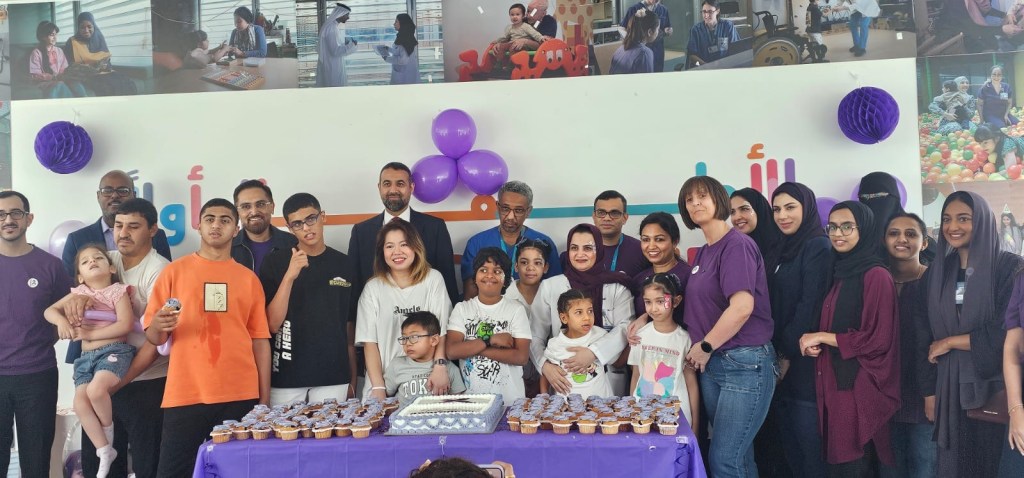
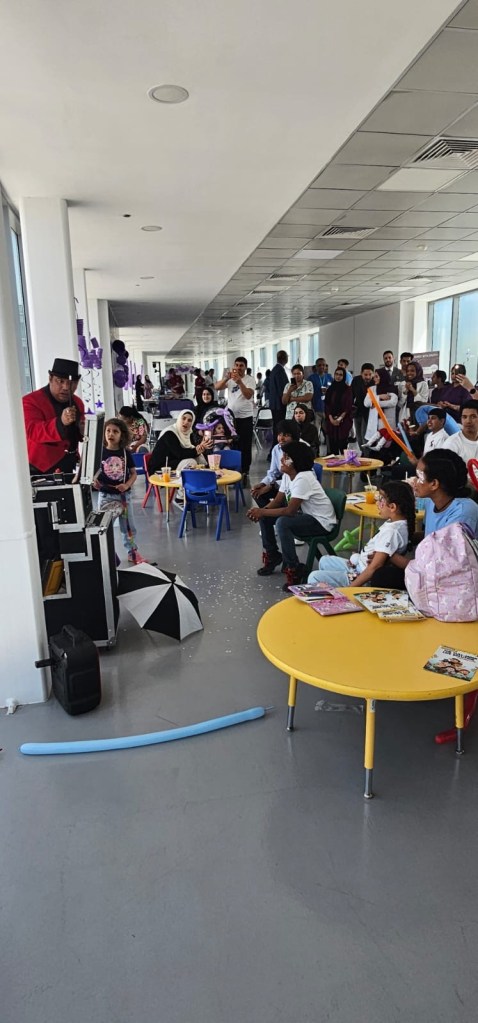
Upon arrival, one of the first things I noticed was the abundance of purple—decorations, balloons, and banners—all in various shades. Soon after, a man in a suit, likely one of the organizers, warmly welcomed my sibling and me. He explained that purple is the internationally recognized color for epilepsy awareness, much like pink is for breast cancer. The association helps raise visibility for a condition that is often misunderstood.
Since we had arrived early, we were able to assist in setting up the venue—arranging tables, organizing refreshments, and decorating the room. Within the hour, families, caregivers, children with epilepsy, and healthcare professionals began to arrive. My brother and I helped run several stalls, distributing educational pamphlets, purple ribbons, and small gift bags to the attendees. The appreciation we received was moving—many families were touched by the effort and thoughtfulness behind the event.
The atmosphere was cheerful yet calm—crucial for those with epilepsy, as overstimulation can trigger seizures. Epilepsy, which affects over 50 million people worldwide, is a neurological disorder characterized by recurrent seizures caused by sudden, excessive electrical discharges in the brain. Triggers can vary widely—from flashing lights and loud noises to stress and lack of sleep—so keeping the environment quiet and controlled was essential.
Activities at the event included face painting, a magician, and a snack area with chocolates and crisps. However, the risks of epilepsy were still present. At one point, a balloon popped unexpectedly, and a young girl suffered a mild seizure. Several of us, including myself, acted quickly to assist, helping her onto a stretcher so she could be taken to the medical wing for care. It was a sobering moment, reminding everyone of the very real challenges these children face daily.
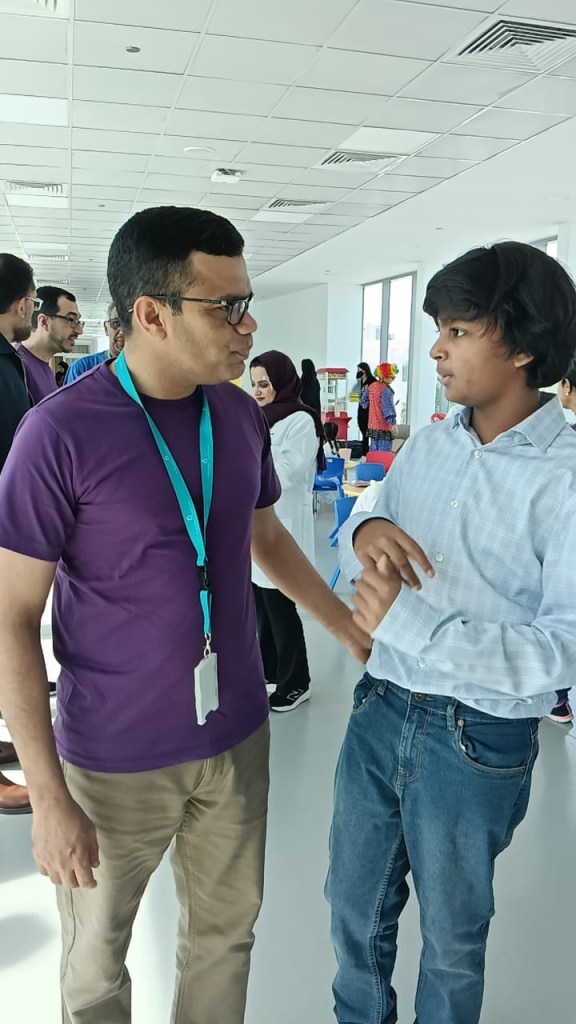
One of the highlights of the day for me was reconnecting with several of the doctors who had previously treated my brother, Sid, during his own seizure episodes months earlier. They generously spent time speaking with me about their medical journeys—from the rigors of medical school through to residency and neurology fellowships. I was especially interested in their explanations of diagnostic tools used for epilepsy, such as EEG and MRI machines.
The EEG (electroencephalogram) machine, they explained, records the brain’s electrical activity through electrodes placed on the scalp. This test is essential in diagnosing epilepsy, as it can detect unusual brain wave patterns associated with seizures. Some people may have normal EEGs between seizures, making repeated tests or prolonged monitoring necessary. Meanwhile, the MRI (magnetic resonance imaging) machine uses magnetic fields and radio waves to produce detailed images of the brain’s structure. It’s invaluable for identifying structural causes of epilepsy, such as brain lesions, tumors, or developmental abnormalities. Used together, EEGs and MRIs offer a comprehensive view of both brain function and form, allowing for accurate diagnosis and personalized treatment plans.
I also learned about the different types of epilepsy, including generalized epilepsy, which affects both sides of the brain, and focal epilepsy, where seizures originate in a specific area. Treatments range from medications—known as antiepileptic drugs (AEDs)—to dietary therapies like the ketogenic diet, and in some cases, even surgical intervention.
By the end of the event, I felt both humbled and inspired. Volunteering at Epilepsy Awareness Day was more than just an act of service—it was an eye-opening experience that deepened my respect for the resilience of those living with epilepsy and the dedication of the professionals who support them. It also reinforced the importance of raising awareness for conditions that are often hidden or misunderstood.
I left the hospital with a renewed sense of purpose and a desire to stay involved in causes like this. It was a phenomenal day—one that reminded me of the power of compassion, education, and community in supporting those affected by epilepsy.
Day 1 at M.P Shah Hospital
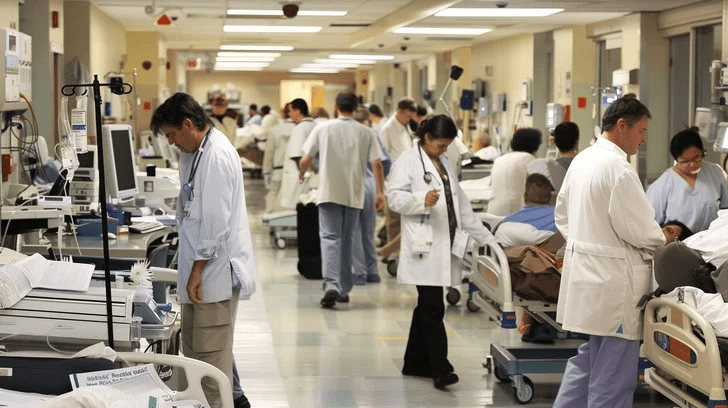
Honestly, the first feeling I felt when walking into the building was just pure anxiety. I was so overwhelmed by the sheer amount of people and the massive size of the building. As I slowly walked up the stairs to the H.R departments, my mind was overflowing with ominous thoughts. What am I going to do here? Will I see people perish? What if I cause a major accident? What, who, when, where, why…so many questions racked my brain.
As Appa dropped me off, I sat in the H.R office for nearly an hour, quickly reviewing my notes as if I was practicing last-minute for a test. Suddenly, one of the ladies called me and asked me to write the date, my name, and just a bunch of quick formalities. She then walked me across the street to the actual hospital, where I was even more queasy than before. It was huge…it was like I was a tiny ant looking up at the building. She walked me up to the reception, where she told me to wait for some time until another doctor came, and then, as fast as a snap, the hour was already over. She quickly took me up to the ward, but she wasn’t the one I was dealing with, she just took me up.
As I dropped my belongings in another room, I entered the ward, with one feeling, weirdness. I didn’t belong here, there were smart residents, attendees and nurses all around me, what does a 12-year-old have any business doing here. As I took my seat, I felt very awkward and lonely, but thankfully, the nurses were extremely helpful. They let me use the computers, helped me quickly settle in, they were extremely kind and nice.
Soon, though, we had our first patient. The baby only came in for a Hepatitis A shot, which is a disease for when your liver gets inflamed, usually from a virus like Hepatitis A, B, or C. Some types, like B and C, can cause serious long-term damage, including liver cancer.
The whole procedure was less than a minute long, and soon the baby was out of here. I quickly adapted and realized it wasn’t normal sick parents, but rather just babies getting their monthly shots for vaccinations. They were each around a minute long, and it was quite quick. All I was supposed to do was just examine their Vaccination Booklet, an oversized brochure that held all the baby’s medical info, then transfer that to a spreadsheet, and at the end of the day, transfer it to the nurse who was leading the ward.
Since it was a Friday, there were actually not many patients towards the end, and I even got a whole free hour, where I got to journal and watch some medical videos, and it was overall a really positive experience, though I wouldn’t recommend it to someone who is sensitive towards babies crying and people who are not very researched in development and data-writing, yet I found it an experience that I need not to fear, but rather something that was sort of a breeze!
Day 2 at M.P Shah Hospital
Today was a very underwhelming day, as it was a weekend, and it was not busy at all. Since it was a Saturday, there were barely any patients, so it was like a full day break with a few interruptions. Yet, since I had gotten used to the setting from yesterday, I was easily able to manage everything that went on, such as assisting nurses with triages and pediatric assessments, which is something that I find particularly easy, where I just needed to transfer the baby’s medical data to the books, such as their weight and height.
I asked one of the nurses the need for triages, and she said it was so that they can monitor and ensure that the baby is growing at a steady rate and not a slower or accelerated rate than average. I also asked about the pediatric assessments, and they just said it was a quick observation, just to check how the baby is doing and to estimate how urgent they’re in need of care, or if they could wait or need to go as soon as possible. She explicitly stated though, that this was not a proper and formal diagnosis, and just something anyone can do, just by checking the skin tone, breathing rate, appearance of the student and a few more obvious reasons.
Yet, it was much easier for me to quickly write down the data of the baby and transfer it to the spreadsheet, so I spent most of the weekend workday watching medical videos that delved more into the pediatric specialty (as even though I would most likely not be treating chronic diseases like diabetes and cancer in children, it would really help to have the extra help), and journaling. Obviously, this was not as expected, as many children go to the hospital on the weekends, but the area has many pediatric wards, so I presume that this was just an underwhelming day. Evidently, this was a much more relaxed and fulfilling day, with the bonus of the fact that there was no need to wait for such a long time to get to the ward, and I got to leave 30 minutes earlier.
Day 3 At M.P Shah Hospital
Today started off with me learning a whole bunch of things about vaccinations. I was curious as to why babies and even adults even need vaccinations, what does a shot full of some random fluid do? Yet, the nurse answered, telling me it was so that the baby had a much higher chance of not contracting that disease later in life. Even adults need vaccines, such as for Covid-19, so they would not contract in either. I was really shocked as to learning that they inject a small part of the virus inside you, and so your body fights the disease and becomes immune to it, so that is the reason children will have the higher chance on not contracting it. I found that much simpler now, but then I asked for the need for Vaccination Booklets, and then the nurse answered again; it is so the nurses and doctors have something to refer back to when consulting the parents and kid when they are next sick, and to review how the child is growing, as their weight and height are also included in the booklet.
I asked why they could not just write down all that information in something like a receipt, and then I learned that there is much more information included in the booklet, such as the doctor treating them, growth since Day 1, medication the child was prescribed to take, and much more medical information. Nearly every pediatric ward requires a vaccine booklet, and they remain relatively the same from hospital to hospital, except for some formatting and design aspects.
Since today was the start of the week, there was a jump start in patients, less than the first day, but significantly higher than the second. Weirdly, many babies are likely to be born on a weekend or on Monday, which led to many children coming for their monthly vaccination shots. Many children who came were a mix between 6 months and 1 year, so they were very young, and some had to get multiple shots at once.
In the morning, it was very relaxed and laid-back, but from 11 onwards, it was like a rush hour. With around 10 patients every 10 minutes, I was writing like never before, having to make a few seconds in between patients for some notes about the vaccinations. Today, I wasn’t really doing spreadsheet work, but rather filling out necessary information on the actual Vaccination Booklet mentioned prior, and it was obviously much easier, yet there were some annoying parts, such as writing the medical SERIAL NUMBER into some areas to make sure it was a valid medicine.
I did some online work before, but it was only for a few minutes, and barely anything, so I assumed it wasn’t worth mentioning, but today was. For the last hour, I was only doing online work. I just billed the patients, which was very confusing, as a good 30 something patients came today, so I had to repeatedly check the booklets and receipts and spreadsheets, and then I had to repeatedly ask the pharmologist about the price of each medication, and then at last bill the patient. Yet, it was quite easy, and the only troubling and overwhelming aspect had to be the sheer quantity of patients there were.
Since it was my last day, I decided to apply myself much more and even get in a jog during my break. I know it was just three days, yet it felt like as if I’ve been a long-time senior staff, head of the Pediatrics department. It felt oddly nostalgic leaving this ward, as I might have even been there when I was just a little baby, so maybe this could be a form of Déjà vu. Yet, it was a genuinely fascinating day in pediatrics, and something I highly enjoyed, and would be thrilled to do again. Sadly, the shop with the absolute cinema of a smoothie was out of change, so I had to settle for some samosas today, not my first choice. Yet, it felt like I had completed one of the many hurdles in life. What I had no idea of was that, just as I completed one, relatively, simple specialty, I was about to transfer into one of the most competitive, highest-paying jobs in the world of medicine. One of the rare specialties that uses machines, and much more staff than the 3-nurse team with me at pediatrics. Something that seemed extremely overwhelming and scary…physiotherapy.
Day 4 at M.P Shah’s Hospital
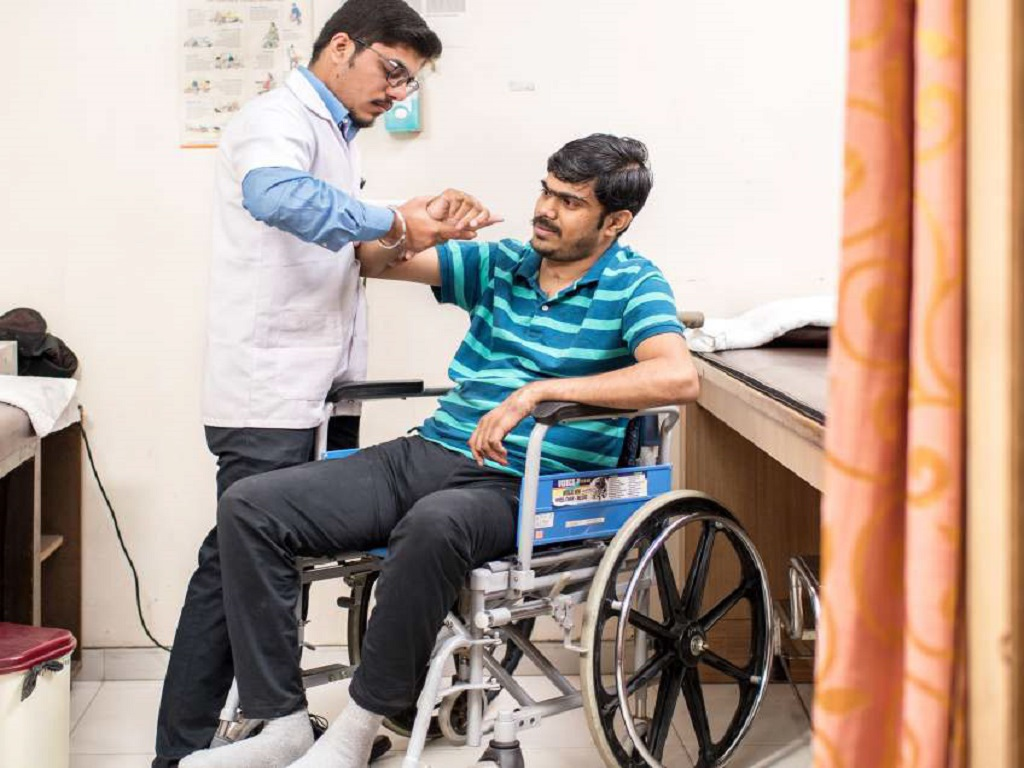
On my fourth day, the experience unfolded much like my first day. I felt a familiar mix of nerves and excitement as I signed in. Accompanied by a lady, I walked to the physiotherapy department, my heart racing with anticipation. After waiting for an hour, I was finally introduced to the physiotherapy team. The first thing that struck me was the sheer number of machines—more machines than people! They resembled gym equipment but were a much more simplified version, designed for rehabilitation rather than intense workouts. I noticed treadmills with straps, weight machines padded with protective cotton, and a few 2–5-kilogram weights scattered around.
As I was introduced to the staff, I was pleasantly surprised by the number of people present—around ten in total. Seven were nurses, two were attendees, and one was a cashier who seemed extremely nonchalant about the bustling environment around him. I quickly settled in, eager to contribute in any way I could. The staff assigned me a series of simple tasks, such as recording how many patients completed a certain number of exercises. It was straightforward work, involving basic number graphs reminiscent of what I learned in Grade 2 mathematics.
Tracking the patients’ progress took me about an hour, and once I completed that task, I found myself with some free time. I managed to assist the cashier with some printing tasks, which, while not particularly thrilling, gave me a sense of involvement in the hospital’s operations. Although the day felt somewhat underwhelming compared to what I had anticipated, I found joy in the simplicity of the tasks. I preferred this day over my first day in pediatrics, as the wait time was significantly shorter—just an hour instead of two. I completed my tasks efficiently and left the hospital feeling accomplished and satisfied.
Day 5 at M.P. Shah’s Hospital
Today marked my second-last day at the hospital, and I was eager to see what it had in store for me. The atmosphere was relatively calm, with only a few patients checking out of rehabilitation. Overall, the day felt reminiscent of my second day out of pediatrics, which I found quite relaxing. Although there wasn’t much to stimulate my brain, I still found the day very satisfying. With around four hours left in my shift, I decided to take the initiative and spent two hours diving into research to keep my mind engaged.
I discovered fascinating information about various rehabilitation techniques and the importance of physiotherapy in patient recovery. The day became increasingly interesting as I engaged in discussions with the nurses, who were more than willing to share their knowledge and experiences. They answered my questions and provided insights into the challenges and rewards of working in healthcare. I appreciated their willingness to help me understand the complexities of patient care.
Towards the end of the day, I was tasked with billing items and equipment for physically disabled patients. This was a unique opportunity to learn about the administrative side of healthcare, which is often overlooked. I found it fun to figure out how they billed items like crutches or kneecaps, and it gave me a newfound appreciation for the logistical aspects of patient care. However, I couldn’t help but notice that the day was quite underwhelming compared to a typical day with a stable number of patients, which was unusual for the middle of the week. Still, I was grateful for the support from the nurses and doctors, who made my research experience enjoyable and enriching.
Day 6 at M.P. Shah (Finale)
As I arrived for my final day, I felt a mix of excitement and sadness. I was eager to try out many tasks I hadn’t done before. One of my responsibilities was to organize physical files into specific folders. While this task was tiring and repetitive, it was surprisingly fulfilling. I found satisfaction in creating order from chaos, knowing that my efforts would help streamline the workflow for the staff.
The cashier, who had been a constant presence during my time at the hospital, helped me print out some receipts for a few customers. Although the number of items I printed was relatively low, I appreciated the opportunity to contribute to the hospital’s operations. However, the task that truly excited me was setting up some of the machines for the rehab patients. I felt a rush of enthusiasm as I plugged in the machines, ensuring they were ready for use.
Meeting the patients was one of the highlights of my experience. They were down-to-earth individuals who shared their stories with me, and I was struck by their resilience and positivity despite their challenges. I learned so much from them about their personal experiences and hardships, and it deepened my understanding of the human side of healthcare. These interactions reminded me of the importance of empathy and compassion in medicine.
Throughout my time at the hospital, Mr. Deep played a significant role in shaping my understanding of the medical field of physiotherapy, a field where I have gained so much more insight of since when I first began. In fact, he taught me a lot about the journey to become a PM&R doctor, and how they can work in multiple different fields, such as sports medicine for athletes or just practical medicine here in a hospital. It was quite fascinating, learning about the journey from college to medical school to residency then fellowship, and finally, the actual hospital itself. It was extremely inspiring what he said, about he built the whole physiotherapy department from scratch, and now it’s a bustling department with enough patients it’s nearly full!
Overall, this was an amazing experience, and I learned so many new skills from immunizations to physical data management, it was a place with no dull moments, something I’d love to learn more about!









 Scrubbed In Chronicles